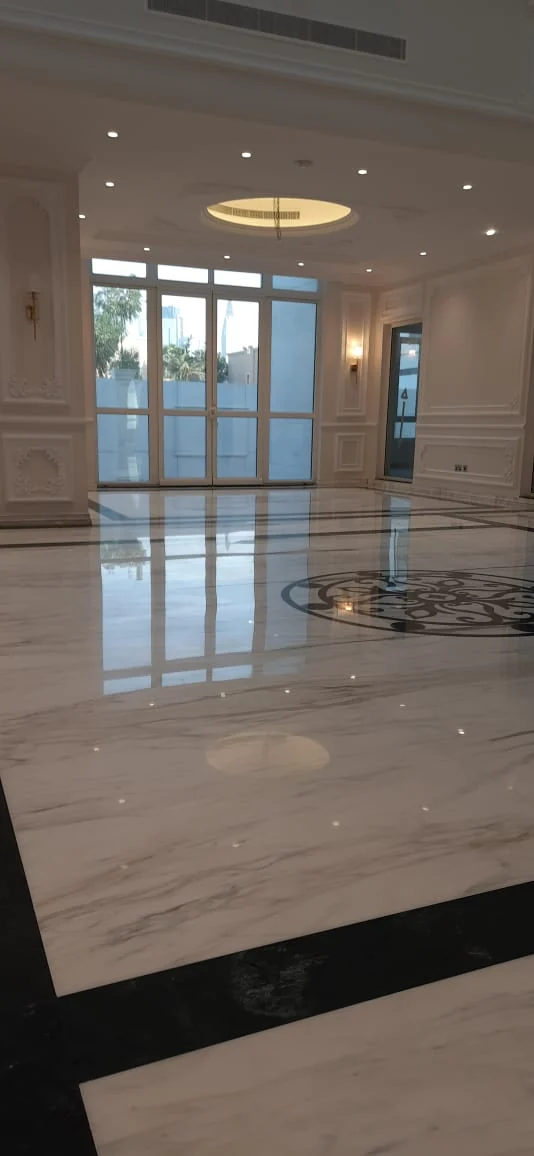
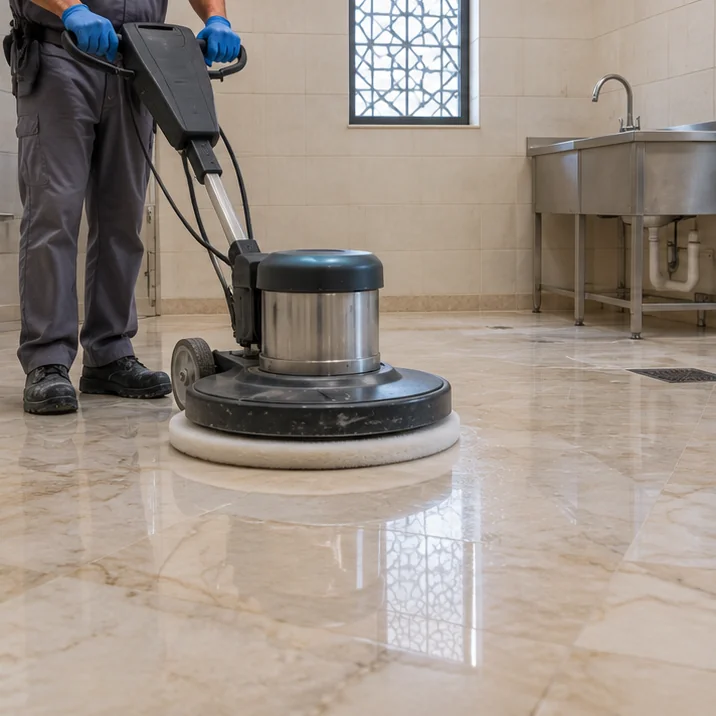
Marble Waterproofing

Discuss protective surface treatment for marble exposed to moisture and spills.

About the service

Marble waterproofing enquiries start with the stone, its location and how it comes into contact with water. Surface treatments can help reduce absorption on suitable materials. Tell us if you see darkening after spills, persistent damp patches or changes near joins and edges so the issue can be discussed clearly.

Where it can help

  • Marble surfaces exposed to routine splashes
  • Stone with visible darkening after water contact
  • Surfaces being considered for a protective treatment

How to discuss the work

  1. Describe moisture exposure

    Explain where water appears, how often it reaches the surface and whether any patch stays dark.

  2. Share the surface condition

    Include photos near joins or edges and mention any sealant or coating already applied.

Where water comes into contact with the stone

Distinguish occasional splashes from regular wetting or moisture that returns after the area dries. Note whether the stone meets a fixture, a wall or a floor drain and whether marks show up in more than one spot.

Another service to consider

If water is appearing near a loose bead around a fitting, also review silicone renewal.

Silicone Removal & Re-application

What if there is recurring moisture near the marble?

Describe where the moisture appears and when it returns. Water around a sink edge, a joint, or below adjoining finishes can have different sources. Surface protection and addressing an underlying leak are different tasks.

Identify the wet areas

Tell us whether the marble is part of a vanity, floor, wall or countertop. Include photos of adjoining joints, edges and any visible discoloration.

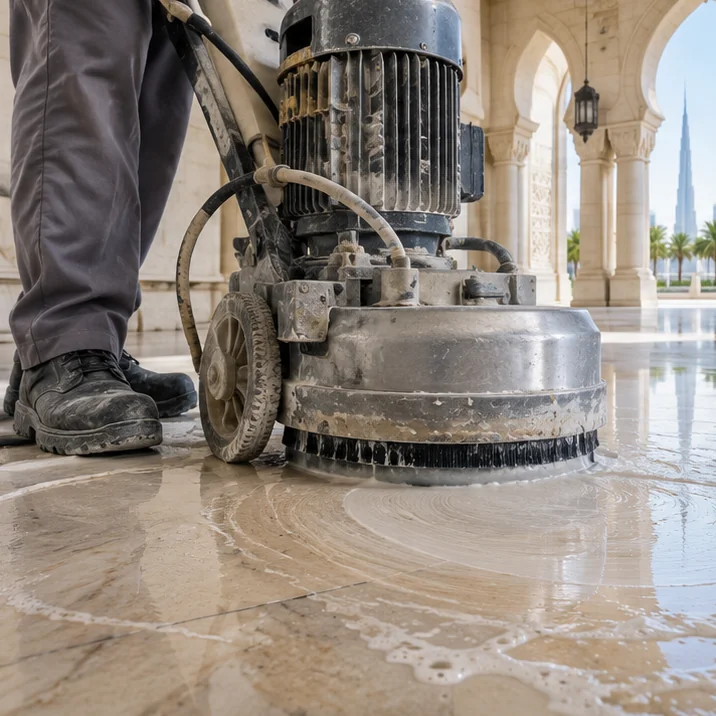
What to check before you enquire

Trace where water appears

If there is recurring moisture, observe whether it starts next to a tap, along a sink cutout, at a floor joint, or on the face of the marble. Note whether the spot dries between uses and whether it grows beyond the first visible mark. A photo taken wide enough to show nearby fittings is useful alongside a close view of the affected stone.

Distinguish splashes from recurring dampness

A vanity that gets splashed during use poses a different enquiry from a stain that returns after the area has dried. Describe when the issue appears and whether similar marks are visible in more than one location. Include details of any known leak or joint issue so the topic of surface protection can be discussed alongside the source of the moisture.

Include seams, corners, and edges

Water exposure can be concentrated where a slab ends or meets another surface. Show the cutout margin, wall junction, or edge near a drain in your photos. Mention whether there are gaps, lifting sealant, or discoloration along a seam, and whether the same stone continues outside the wet area. This can help define the parts you want to discuss as one scope.

Describe the existing finish and care history

If known, share whether the surface is polished or honed and what work has already been carried out. Mention any previous sealing or treatment and whether the appearance changed afterwards. Bring up your preference about preserving the current look at the start of the conversation. A daylight photo and a note about the location of any remaining marks can make that preference clearer.

Put the scope into one message

Tell us where the marble gets wet and send photos of the affected areas. Add your area in Dubai and say which part of the work you want to discuss first. You can review the message and attach images in WhatsApp before sending.

Start a marble waterproofing enquiry
Chat on WhatsApp