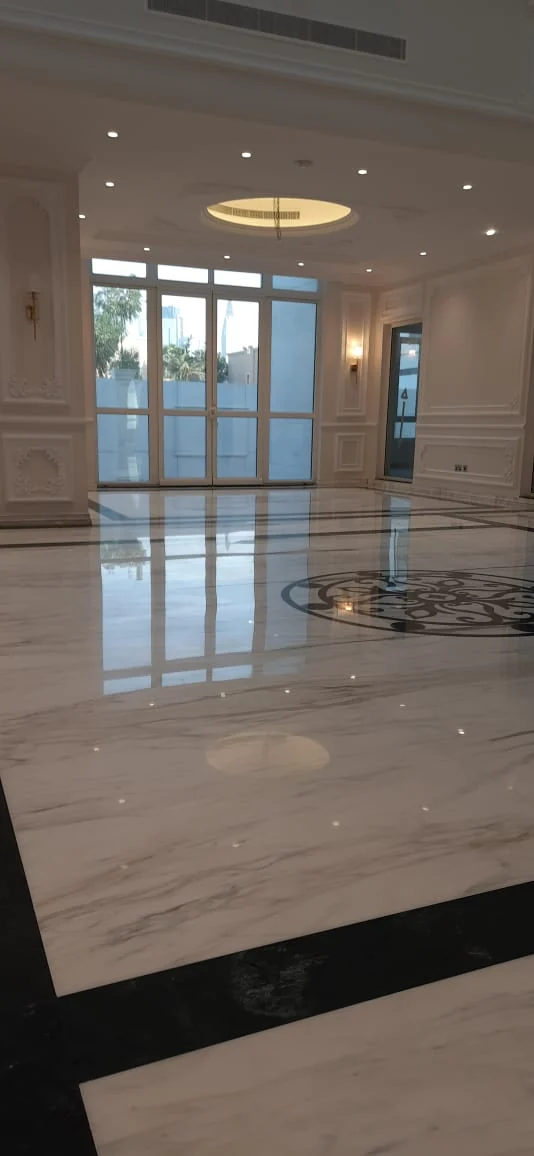
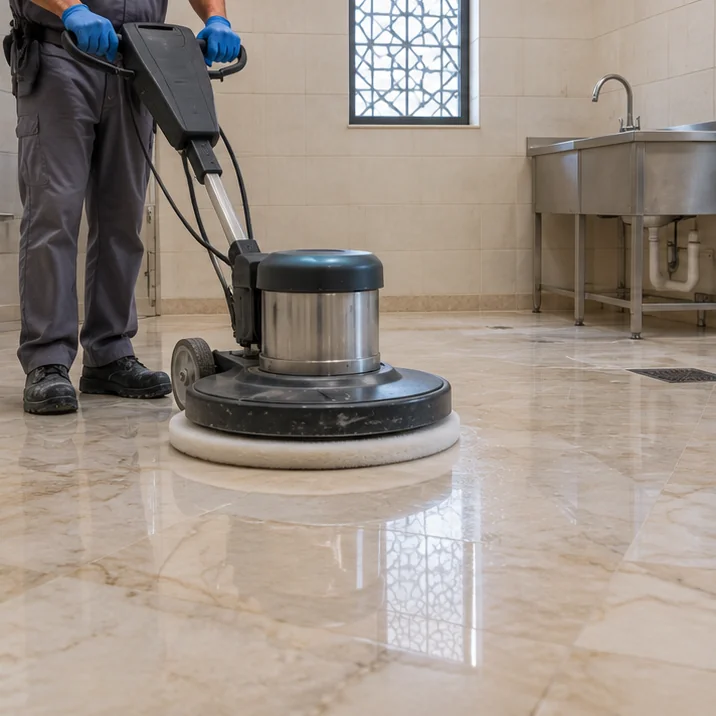
Marble Restoration

Address worn marble with a treatment selected around the condition of the stone.

About the service

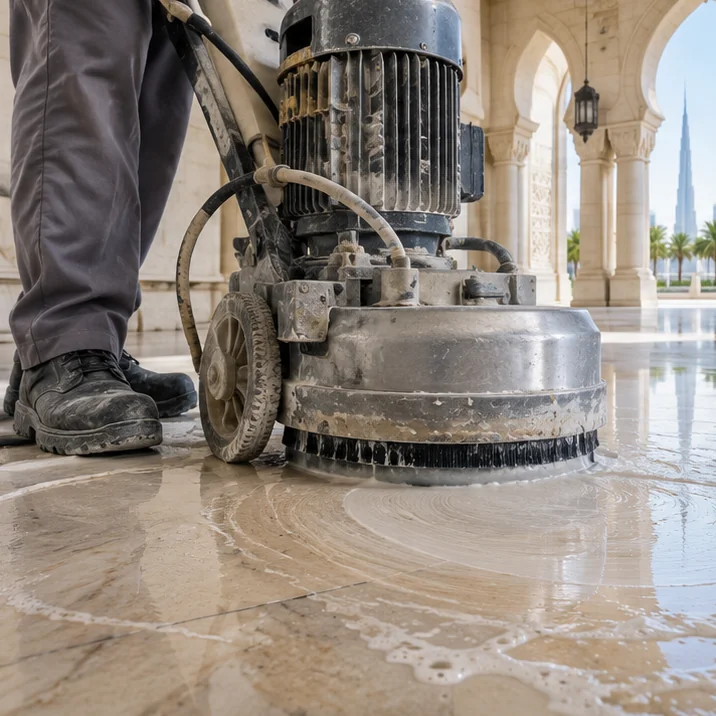
Restoration is useful when marble has several visible issues, such as scratches, loss of sheen and uneven wear. The treatment can involve cleaning, grinding or polishing, depending on what the surface needs and the finish you want to achieve.

Where it can help

  • Marble showing several kinds of wear
  • Areas where previous spot cleaning left an uneven appearance
  • Surfaces that need assessment before choosing a finish

How to discuss the work

  1. Show the full surface

    Include an overview of the room or surface and detailed photos of the most affected areas.

  2. Discuss treatment options

    Describe the changes you want to see and mention any previous work that affected the finish.

Extent of damage and adjacent finish

A chipped edge at a doorway presents a different scope from scattered damage across a room. Show the full area and indicate which defect matters most to you. Include a photo of nearby sound stone for comparison.

Another service to consider

For wear or unevenness that extends across a floor, review grinding as well.

Marble Grinding

Can damaged marble be made to match the surrounding area?

The surrounding shade, veining and sheen influence how visible a restored area may remain. Send a close-up with good light and a wider photo of the adjoining marble, especially when damage runs across several pieces.

List every type of damage

Mark chips, open joints, dull patches and scratches separately in your enquiry. A single area may need more than one type of surface work.

What to check before you enquire

Document each kind of damage separately

Make a short list that distinguishes chips, scratches, dull areas, and damaged joins. For each type, send a close view and note where it is in the room. A worn entrance edge and a cloudy patch in the center of a floor may be part of one enquiry, but they describe different work. Call out any loose material or signs that the issue has recently changed.

Use the surrounding stone as a reference

A repair is usually seen in relation to the stone around it. Your photos can show whether there is strong veining, variation in shade, or a border that changes the appearance. Include the nearby finish under similar light. If the damage sits next to another material, such as a threshold or fitting, show that junction so the enquiry accounts for what should be kept.

Decide which improvement matters most

Tell us which result you care about most, whether that means reducing how noticeable one area is, addressing a damaged edge, or improving the appearance across several adjoining pieces. These are useful distinctions when the same floor has more than one kind of wear. If a previous repair remains visible, identify it separately. It helps to include that detail beside any areas you want to keep unchanged.

Share how long the damage has been visible

Describe whether the issue came from a single incident, has grown gradually, or follows a route with regular traffic. Mention any work already attempted and whether it affected the nearby sheen. This information helps frame the conversation about what can be addressed as part of the surface work. If a piece moves or cracks appear to be changing, note that for review.

Put the scope into one message

Share an overview and close-ups so the conversation can focus on the right treatments. Add your area in Dubai and say which part of the work you want to discuss first. You can review the message and attach images in WhatsApp before sending.

Start a marble restoration enquiry
Chat on WhatsApp