Marble Grinding

Resurface marble where scratches or uneven slab edges affect the finish.

About the service

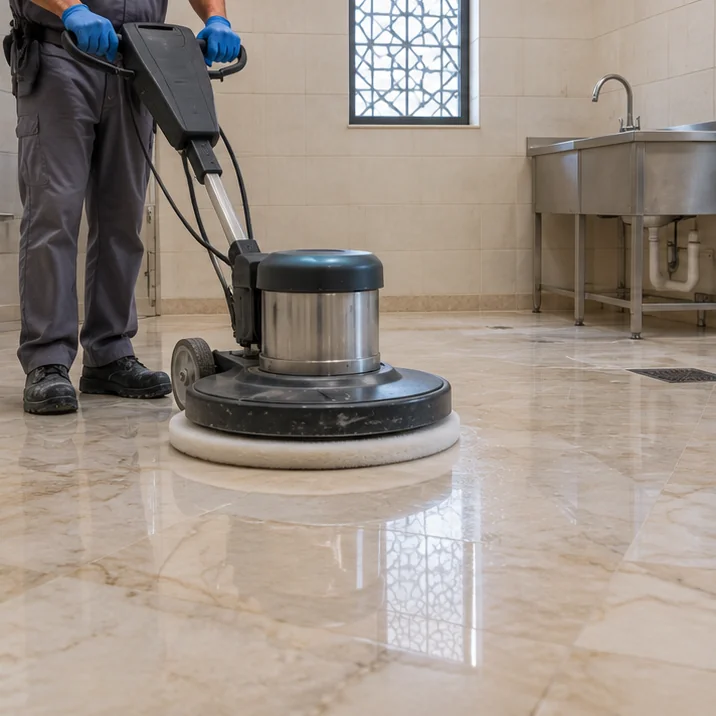
Grinding removes a thin layer from the surface and can help reduce visible scratches and small height differences between adjacent marble pieces. The condition of the marble helps determine whether grinding is appropriate and what finishing work may follow.

Where it can help

  • Marble floors with visible scratches
  • Uneven edges between adjoining marble slabs
  • Worn surfaces being considered for refinishing

How to discuss the work

  1. Show the worn area

    Send a wide photo and close-ups taken with light falling across the scratches or joins.

  2. Discuss resurfacing

    Describe the affected area and the type of finish you want after grinding.

Changes in height and damage depth

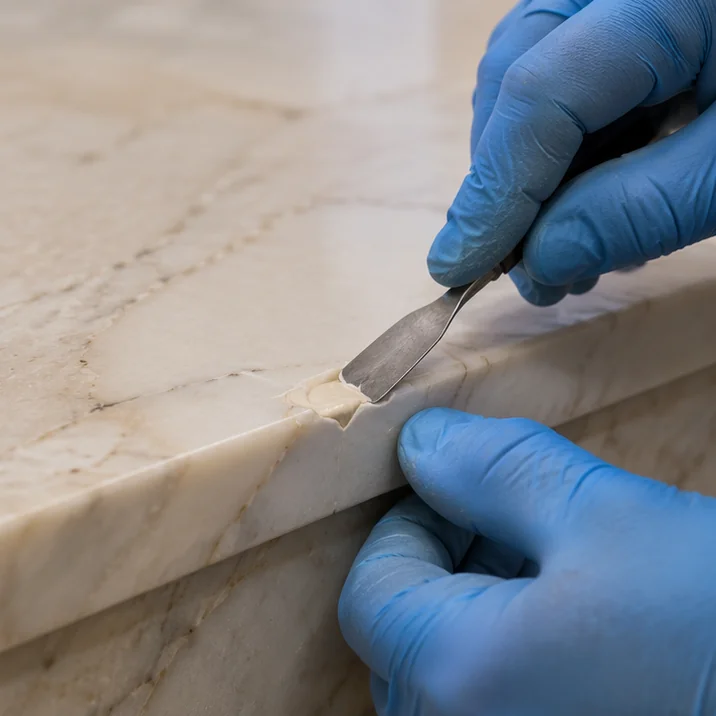
A rough join you can feel underfoot is different from a scratch seen only in reflection. Report how many joins are affected, whether the floor feels secure, and whether the surrounding marble should keep its current finish.

Another service to consider

For level marble where uneven shine is the main concern, compare polishing.

Marble Polishing

Can grinding help with uneven marble joints?

Grinding may help where adjacent slabs sit slightly unevenly or a surface has more extensive wear. Mention whether a slab moves when stepped on or the unevenness is concentrated around one joint. These details help distinguish surface wear from a problem below the slab.

Compare with marble polishing

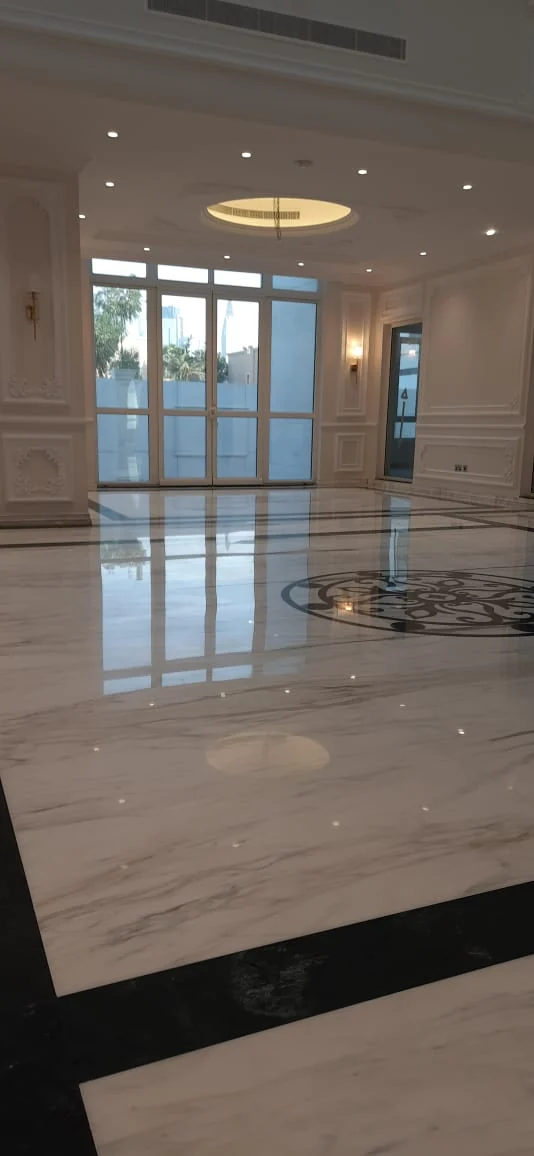
If the floor feels level and the main issue is lost gloss, discuss polishing first. Share a photo taken at a low angle so both the reflection and the joints are visible.

What to check before you enquire

How to recognize an uneven joint

Look along the floor with light coming from a window or doorway. A raised edge may cast a small shadow or appear as a break in a straight reflection. Photograph the join and mark which side sits higher. If you can feel a lip underfoot, mention where it occurs and whether it is just one edge or a pattern across the room. Let us know separately if any piece seems loose.

Is the wear isolated or spread across the floor?

A damaged area near an entrance may call for a different conversation from rows of uneven joints through a living space. Use a wide photo to show how far the issue extends and include a close view of its boundary. If the marble continues into another room, say whether that room is part of the enquiry. Mention thresholds, skirting and inlays that meet the working area.

Finishing after the surface is leveled

Grinding changes the way a marble surface reflects light. The finish you want should be discussed alongside the area that needs leveling, especially where new work meets marble you plan to keep as it is. A reference photo of the adjoining floor is more specific than asking for a shiny finish. Tell us whether the priority is a smoother surface, a more even appearance, or both.

What to mention about access

List the rooms and estimate the floor area if you can. Say whether there is a route into the space without stairs or narrow thresholds and whether furniture will be present. Mention any sections that must remain usable, such as the only route to an entrance. Separating these practical details from the surface issue makes it easier to understand the scope of the enquiry.

Put the scope into one message

Send photos of the scratches or joins and include the approximate floor area. Add your area in Dubai and say which part of the work you want to discuss first. You can review the message and attach images in WhatsApp before sending.

Start a marble grinding enquiry
Chat on WhatsApp