
Marble Grinding
A rough join you can feel underfoot is different from a scratch seen only in reflection. Report how many joins are affected, whether the floor feels secure, and whether the surrounding marble should keep its current finish.
Grinding, polishing, crystallization, restoration and waterproofing for marble surfaces.
Marble can lose its shine through everyday use, and wear may show up as scratches, dull patches or uneven reflection. Explore treatments for different surface conditions and describe what you want to improve when you enquire.
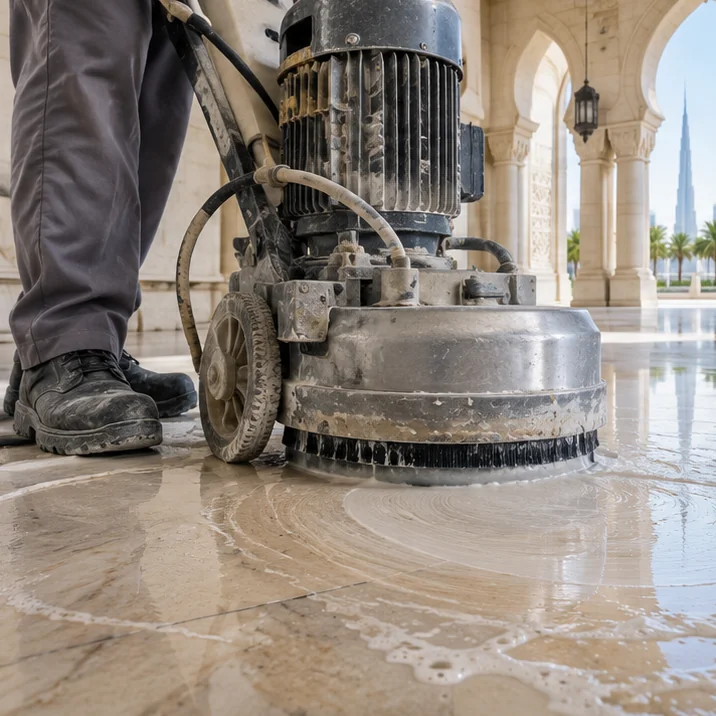
Resurface marble where scratches or uneven slab edges affect the finish.
Service details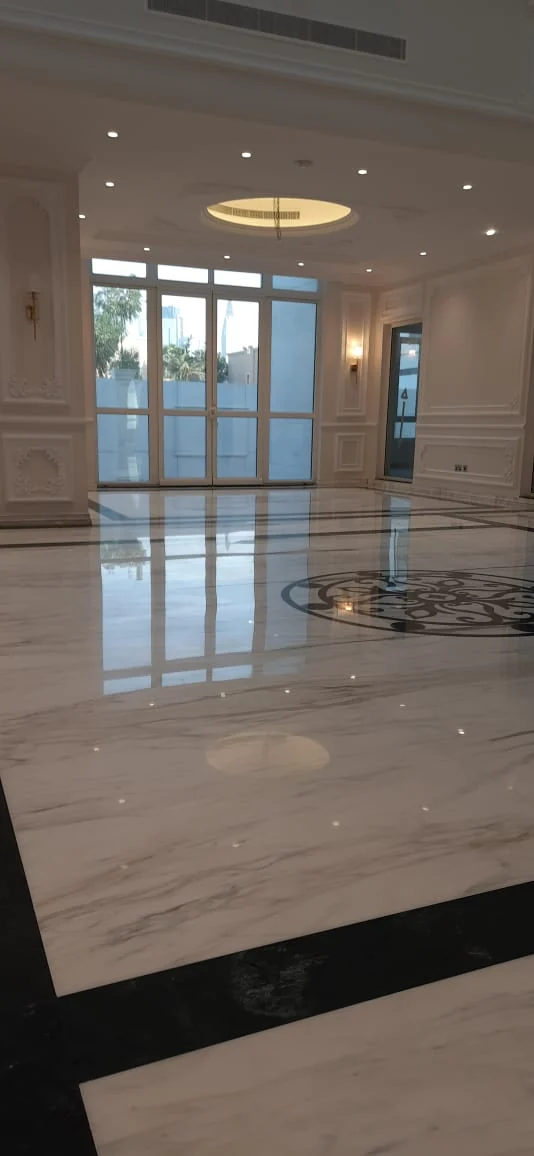
Refine a dull marble finish and improve how evenly the surface reflects light.
Service details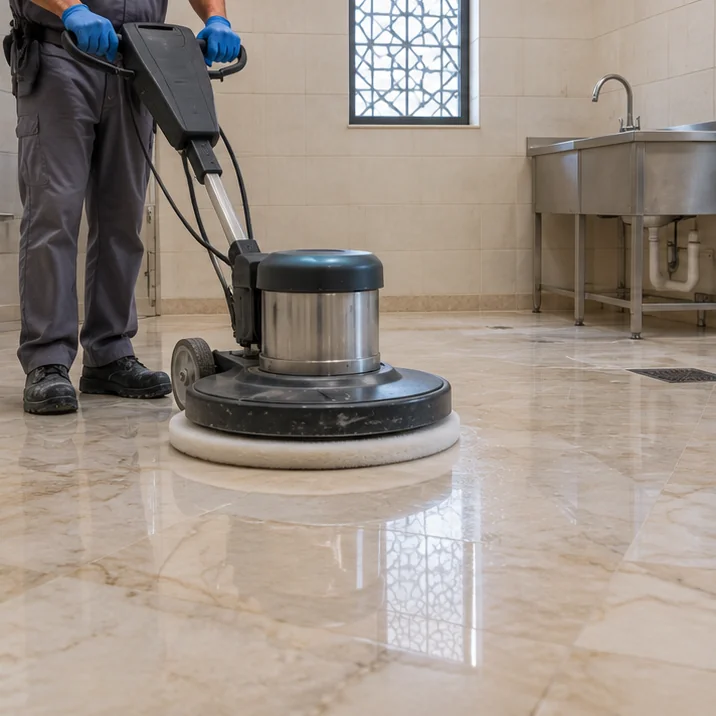
Explore a gloss-enhancing treatment for compatible marble floors.
Service details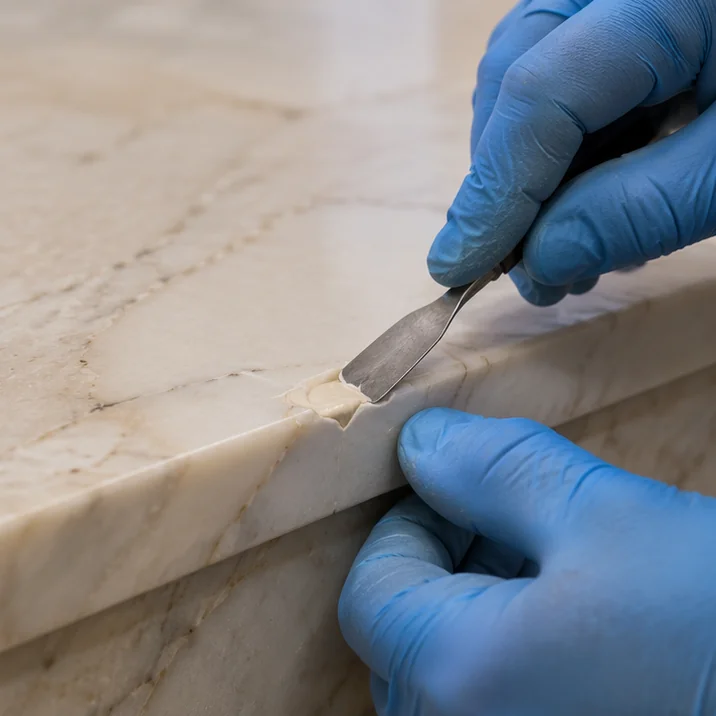
Address worn marble with a treatment selected around the condition of the stone.
Service details
Discuss protective surface treatment for marble exposed to moisture and spills.
Service detailsA rough join you can feel underfoot is different from a scratch seen only in reflection. Report how many joins are affected, whether the floor feels secure, and whether the surrounding marble should keep its current finish.
The same marble can look different under a window, under warm lights and in a hallway. Photograph the boundary between the area you want polished and any adjoining section that will stay as it is.
Appearance alone may not identify the material or its previous treatment. If you have a tile reference or details of earlier surface work, include them with photos of the floor under steady light.
A chipped edge at a doorway presents a different scope from scattered damage across a room. Show the full area and indicate which defect matters most to you. Include a photo of nearby sound stone for comparison.
Distinguish occasional splashes from regular wetting or moisture that returns after the area dries. Note whether the stone meets a fixture, a wall or a floor drain and whether marks show up in more than one spot.
Look along the floor with light coming from a window or doorway. A raised edge may cast a small shadow or appear as a break in a straight reflection. Photograph the join and mark which side sits higher. If you can feel a lip underfoot, mention where it occurs and whether it is just one edge or a pattern across the room. Let us know separately if any piece seems loose.
Stand where light from a window or fixture crosses the floor and compare the open area with an edge or a sheltered corner. A broad, soft reflection may show dulled wear, while a small cloudy circle or a scratch can stand out against an otherwise even finish. If you send two views, keep the lighting and angle similar so that the difference is easier to judge.
Look at the marble under lighting you normally use. The most helpful comparison is between similar pieces in the same room, such as the main walking route and the edge by a wall. Explain whether the difference is a broad loss of sheen, streaking, or only a few concentrated cloudy spots. Include the color and pattern of the surrounding marble in close-up photographs.
Make a short list that distinguishes chips, scratches, dull areas, and damaged joins. For each type, send a close view and note where it is in the room. A worn entrance edge and a cloudy patch in the center of a floor may be part of one enquiry, but they describe different work. Call out any loose material or signs that the issue has recently changed.
If there is recurring moisture, observe whether it starts next to a tap, along a sink cutout, at a floor joint, or on the face of the marble. Note whether the spot dries between uses and whether it grows beyond the first visible mark. A photo taken wide enough to show nearby fittings is useful alongside a close view of the affected stone.
Share the material, any marks or wear you’ve noticed, and your location in Dubai.